

Pour-over: A Third Way
Summary
Classic Pour-Over
Water percolates through a coffee bed that sits directly on a paper filter. The filter simultaneously holds the grounds, controls flow, and filters fines. Brew behavior is highly sensitive to pouring technique and grind distribution. Fines migration can lead to clogging of the paper filter, slowing or stalling flow, which changes extraction conditions during the brew.
Hybrid Pour-Over
Combines immersion and percolation. Coffee grounds are partially immersed for part of the brew, then drain through a paper filter. This reduces sensitivity to pour technique and grind compared to classic pour-over, but extraction and filtration are still coupled, so fines migration and flow variability can still influence results.
Encapsulated Pour-Over
Water percolates through a self-supporting coffee bed that is physically separated from the paper filter; filtration occurs only after extraction. By decoupling extraction from filtration, this method prevents stalled brews, stabilizes flow, minimizes fines migration, and preserves percolation-based extraction without filter-induced variability.
Taste Variation
Each method produces a subtly different tasting brew.
Three Ways to Make Pour-over Coffee
Since Melitta Bentz placed ground coffee on blotting paper in 1908, pour-over coffee has followed a remarkably consistent pattern: loose grounds sitting directly on a paper filter, with water percolating through by gravity. For over a century, innovations focused on refining this core approach - better filters, optimized geometries, improved technique - but the fundamental architecture remained unchanged.
Until relatively recently.
Two fundamental modifications to the core process have emerged, each addressing different limitations of traditional pour-over. Understanding these three distinct approaches—Classic, Hybrid, and Encapsulated—can help you choose the brewing method (or methods) that best fits your preferences, skill level, and coffee goals.
Most people are familiar with the first two, as they are well established, but the third is a fairly recent development still not widely known.
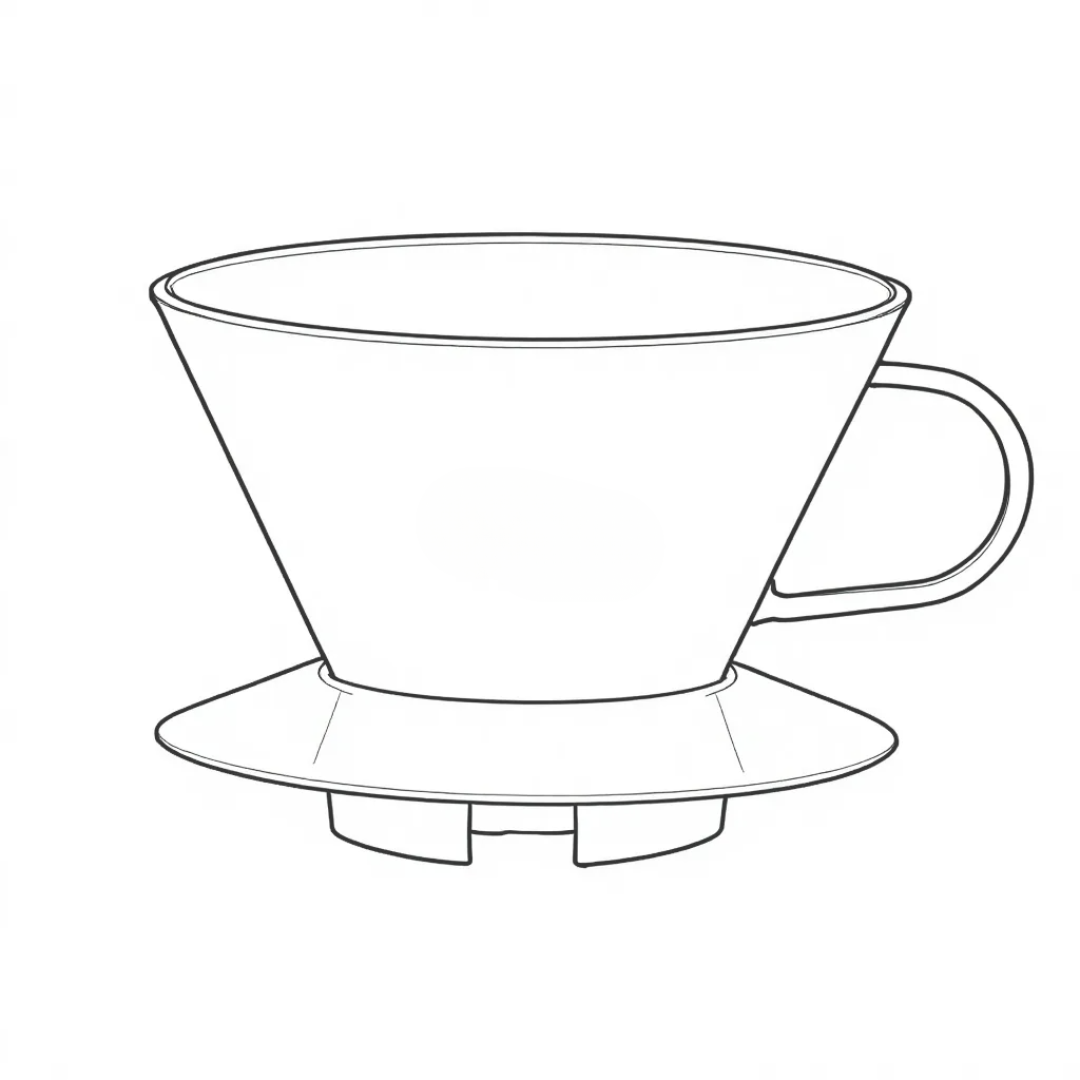
Classic Pour-over: The Core Basic Process.
The invention of the core pour-over coffee process is generally attributed to Amelia Melitta Bentz in 1908. You might be familiar with the story of her using blotting paper from her son's notebook on top of a brass pot in which she had punched holes. This established what we call the core basic process.
The core basic process consists of placing loose ground coffee onto a paper filter and then pouring water onto (over?) the coffee, to allow it to percolate through the coffee bed, extracting the flavor compounds as it does so.
To this day it is still the main method used for nearly all pour-over and drip coffee.
Virtually all drip-type coffee makers—both manual and automatic—can trace their fundamental process back to Melitta Bentz's 1908 innovation. Her core contribution established the essential principles that define drip brewing:
Paper filtration: The common use of disposable paper filters to trap grounds while allowing brewed coffee to pass through
Gravity-driven percolation: Water flowing through a bed of coffee grounds by gravity rather than pressure or boiling
Cone or funnel geometry: A vessel that holds grounds above a collection container, with the filter creating separation between the two
Single-pass extraction: Water passes through the coffee grounds once (or in a controlled manner) rather than being recycled repeatedly like in percolators
Nearly every automatic drip coffee maker—from basic home brewers to sophisticated commercial machines—operates on this Melitta principle.
Manual pour-over devices like the Hario V60, Kalita Wave, and Chemex are even more direct descendants, essentially being refined versions of Melitta's original cone design with modifications to geometry, rib structure, and hole configuration to influence flow rate and extraction.
The First Way - Classic Pour-over
The very simple process that Melitta introduced in 1908 is still very popular. But it has two features that can create challenges - the use of loose coffee and the fact that the coffee and filter paper are in direct contact. These two details can make brewing a little tricky and inconsistent, requiring constant attention through the brewing process.
Loose Coffee Bed - Channeling
When the coffee bed is just loose coffee sitting on a filter it allows the potential of channeling occurring - where water flows through certain areas of the coffee bed more quickly than others, leading to simultaneous over and under-extraction: Some grounds get excessive contact with water while others see much less water, resulting in an unbalanced brew.
Technique dependency: Traditionally, preventing channeling requires careful pouring technique - incorporating a ‘bloom’ phase, concentric circles, proper agitation, consistent flow rates - making good results highly dependent on brewer skill.
This is why you'll see experienced pour-over brewers using careful circular pour patterns, WDT (Weiss Distribution Technique) tools, or specialized shower screens - all attempts to manage a fundamentally unstable coffee bed.
Direct Coffee:Paper Contact
Because of the direct contact between the coffee and the paper filter, the classic pour-over method means the filter is actually doing three things at the same time:
Containment - Holding the coffee in place.
Flow regulation - Influencing the flow-rate and, therefore, the extraction process.
Filtration - Removing unwanted elements from the coffee (particles, oils, etc.).
This triple role can cause significant issues, particularly related to very small coffee particles (or ‘fines’) restricting the flow through the paper filter which can lead to ‘over-extraction’ - see related article [link].
Key Advantage
Control & Clarity: Classic pour-over brewing offers unmatched control and clarity for those willing to develop the skill. The direct interaction between water and coffee grounds allows precise manipulation of extraction through pour rate, pattern, temperature, and timing—enabling experienced brewers to highlight specific flavor notes and achieve exceptional cup clarity.
This method excels at showcasing high-quality, lightly roasted single-origin coffees where transparency and flavor separation matter most.
For enthusiasts, the hands-on ritual and reproducibility - once technique is mastered - create a deeply satisfying brewing experience where small adjustments yield noticeable improvements in the cup.
Key Limitation
Inconsistency: Classic pour-over demands significant skill, equipment investment, and consistency to produce good results reliably.
Success requires mastery of pouring technique (usually requiring a gooseneck kettle), proper grind size and particle size distribution, and careful timing—making it intimidating for beginners and frustrating when results vary inexplicably.
The method is extremely sensitive to grind quality. As referenced above, one common issue is where ‘fines’ (very small coffee particles) migrate through the turbulent coffee bed, clog the filter paper, and stall the brew, leading to over-extraction, bitterness, and astringency. Even experienced brewers can struggle with consistency.
The technique-dependent nature means different people (or the same person on different days) can produce wildly different results from identical beans.
It requires a hands-on approach throughout the brewing process.
Classic Pour-over Mitigation Developments
Issues associated with the two main process weaknesses have been addressed in part by innovative developments - some technical and some technique related, such as pour assist tools to help with managing the loose coffee bed. These pour-assist tools include shower screens (like the MeloDrip) that are intended to help wet the coffee uniformly while reducing the impact of pouring water onto the coffee bed, and reservoir based brewers (like Ceado’s Hoop brewer).
Various ‘agitation’ protocols to include in the brewing technique have also been adopted as a way to manage the coffee bed.
The ‘fines’ migration issue has been addressed by better quality (and more expensive) grinders that produce fewer ‘fines’ and more highly engineered paper filters, that are less prone to clogging - sometimes supplemented with protocols that minimize agitation in an attempt to keep ‘fines’ contained in the coffee bed.
The Second Way - Hybrid Brewing
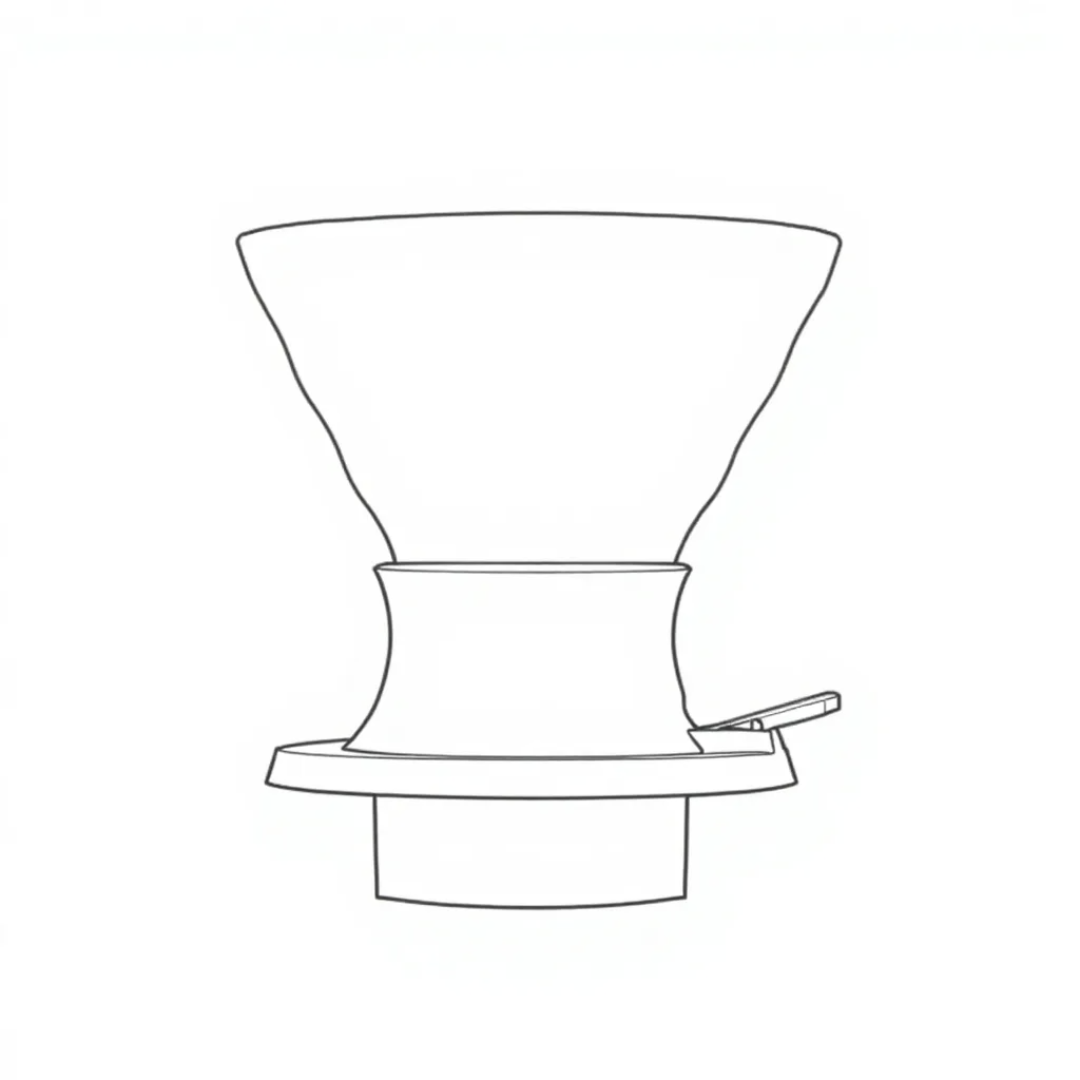
Hybrid brewing can be understood as a modification and extension of Classic Pour-over.
Hybrid devices take the core pour-over technology but introduce elements of controlled immersion brewing.
While all classic pour-over methods have some immersion character (water pooling on top of grounds), hybrid brewers intentionally add a controlled immersion phase to the process. They do this by:
Adding valves or switches, allowing users to temporarily trap water with the grounds
Combining the filtration solution with immersion timing control
Hybrid brewers combine the best aspects of immersion and percolation methods while offering exceptional versatility for brewers of all skill levels.
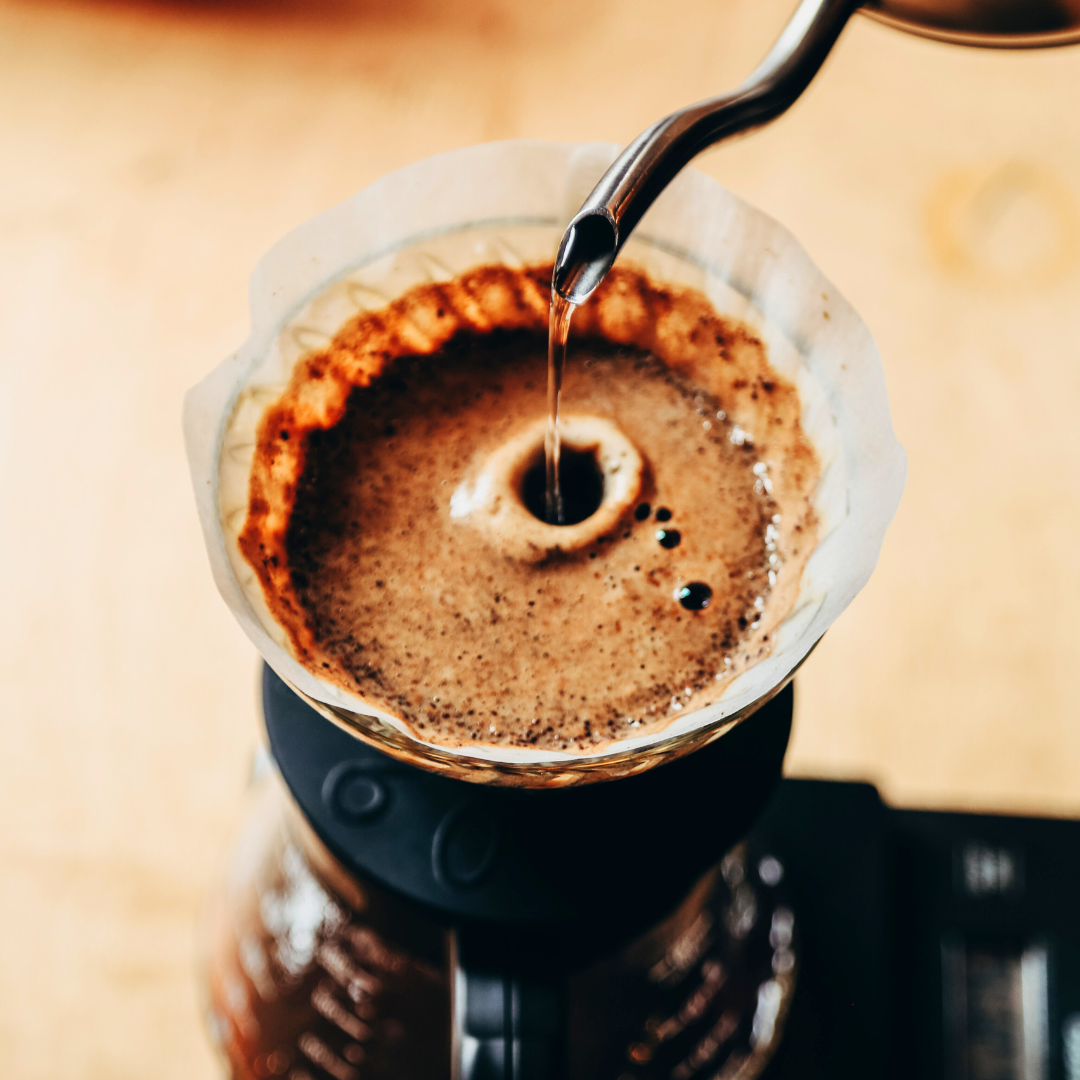
Classic Pour-over
Typical coffee:water slurry sitting above the coffee bed. The slurry develops some extraction through immersion, before the liquid percolates through the coffee bed.
The ability to control when water flows through the coffee bed makes these brewers remarkably forgiving—beginners can use pure immersion mode for consistent, full-bodied results without mastering pour technique or investing in gooseneck kettles, while advanced users can experiment with complex recipes that blend immersion and percolation phases to dial in specific flavor profiles.
Immersion brewing is less sensitive to grind quality inconsistencies, meaning entry-level grinders produce acceptable results, and the wider extraction window reduces the risk of ruining a brew through minor timing errors.
The valve mechanism provides complete control over contact time and drainage, allowing brewers to emphasize either the clarity and brightness of percolation or the body and richness of immersion—or achieve a balanced cup that captures both characteristics.
While immersion mode is forgiving, it doesn't eliminate fines migration entirely—when you open the valve to drain, fines can still reach and potentially slow the paper filter. The hybrid approach also means you're not getting the absolute best performance of either method—immersion devotees may prefer French press body, while percolation purists may find a traditional dripper’s speed and clarity superior for certain coffees.
Key Advantages
Forgiving extraction: The ability to steep reduces the impact of imperfect pouring technique, making it easier to achieve good results consistently. If using as just an immersion brewer, there is no need for hands-on attention throughout the brew.
Versatility: A single device can brew using multiple methods—full immersion, traditional pour-over, or a combination of both.
Key Limitation
Limited high-end clarity: While cleaner than French press, the immersion phase in hybrid brewing can sometimes produce less clarity and definition in flavor compared to well-executed traditional pour-over, potentially masking delicate notes in high-quality specialty coffees. But they can always be used as a classic pour-over dripper.
For an interesting take on a Hybrid brewer, see this James Hoffman YouTube video - Link
The Third Way - EPO
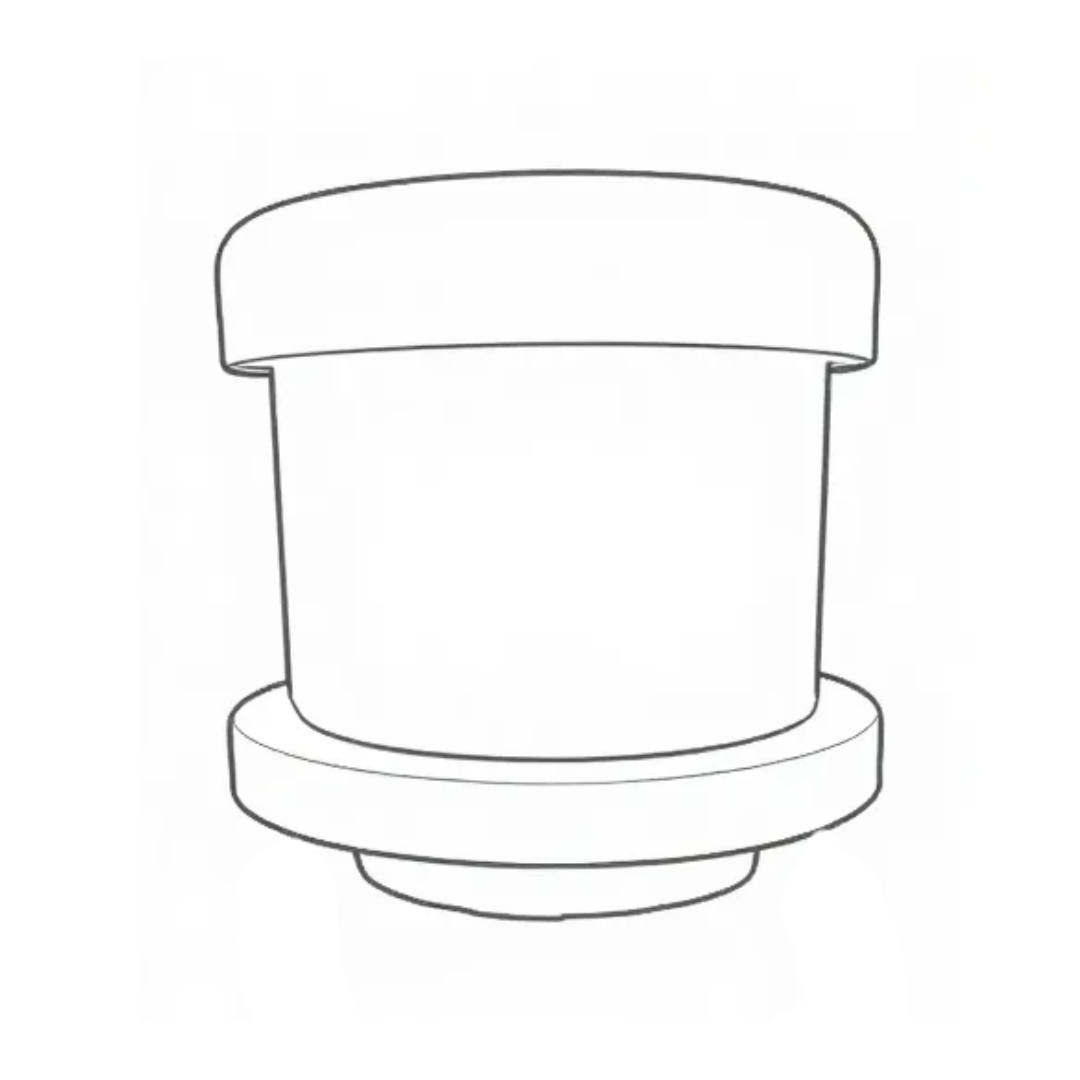
Encapsulated pour-over (EPO) represents the 3rd way of coffee brewing - one that addresses fundamental limitations of both traditional drippers and hybrid devices by fundamentally reimagining the relationship between coffee grounds, water, and filtration.
EPO devices like the Simple Smart Coffee Brewer use a redesign of the core basic process. It is modified in two fundamental ways.
The coffee grounds are not in contact with any paper filter.
The coffee bed is not loose. It is encapsulated between the brewer body and a carefully designed filter plate.
The encapsulation of the coffee bed allows one of its natural properties to create a perfectly uniform, and relatively shallow coffee bed - which is ideal for percolation brewing. The coffee expands in hot water, swelling to fill the encapsulation space and the filter plate. The plate is designed so that the expanding coffee can lift it while still maintaining a seal, preventing pressure buildup in the coffee bed that could restrict flow.
This seemingly simple change creates a fundamentally different extraction architecture:
Separation of extraction and filtration: The extraction takes place in the constrained coffee bed, which is upstream of any paper filter (the use of which is optional). Any fines that manage to migrate through the coffee bed cannot affect the extraction process even if they slow the flow through the paper filter. The paper filter only filters the brew - it does not impact the extraction process. See related article [link].
Elimination of channeling: With water flowing through a contained, stable bed , the path-of-least-resistance problem that plagues loose-ground brewing is effectively eliminated, as the expanding coffee closes out any channels that start to develop.
Reduced Fines Migration: The enclosed, expanding coffee bed holds fines in place, reducing the passage of fines by around 80% to 90%.
Pure Percolation: Virtually any classic pour-over has a coffee slurry above the filter - this is essentially partial immersion brewing. With an EPO brewer the water above the coffee bed is very clear, meaning that only very clean water percolates through the coffee bed. This can have positive impacts on the quality of the brewed coffee. See related article - [link]
The grind size (rather than the particle distribution) is an important variable, as this, along with the coffee dose, controls the flowrate through the brewer - and hence the extraction.
Key Advantages
Ease of Use: EPO was developed to make the brewing of pour-over coffee as simple as possible. It achieves this by eliminating root causes of issues, rather than trying to mitigate the consequences. To see how easy it is to use an EPO brewer, see this link.
Consistent Quality & Novel Extraction Process: As the pour technique has no impact on the quality of the coffee brewed, and the ‘fines’ issue is non-existent, the coffee quality is very consistent. The ‘pure percolation’ that an EPO brewer uses, presents a subtly different flavor profile compared to other methods, that might be preferable in some instances.
Key Limitation
An EPO brewer doesn’t lend itself to the manipulation of extraction, needed by those seeking to explore the subtle variations of taste that can be teased out of a particular coffee. The variables impacting the brew are reduced, so the degree of experimentation is limited. For instance, pouring technique and variation of paper filter material have zero impact.
For enthusiasts who find satisfaction in the craft of dialing in recipes or who enjoy the ritual of hands-on pour technique, EPO's automation of these elements may feel limiting.
Different Approaches
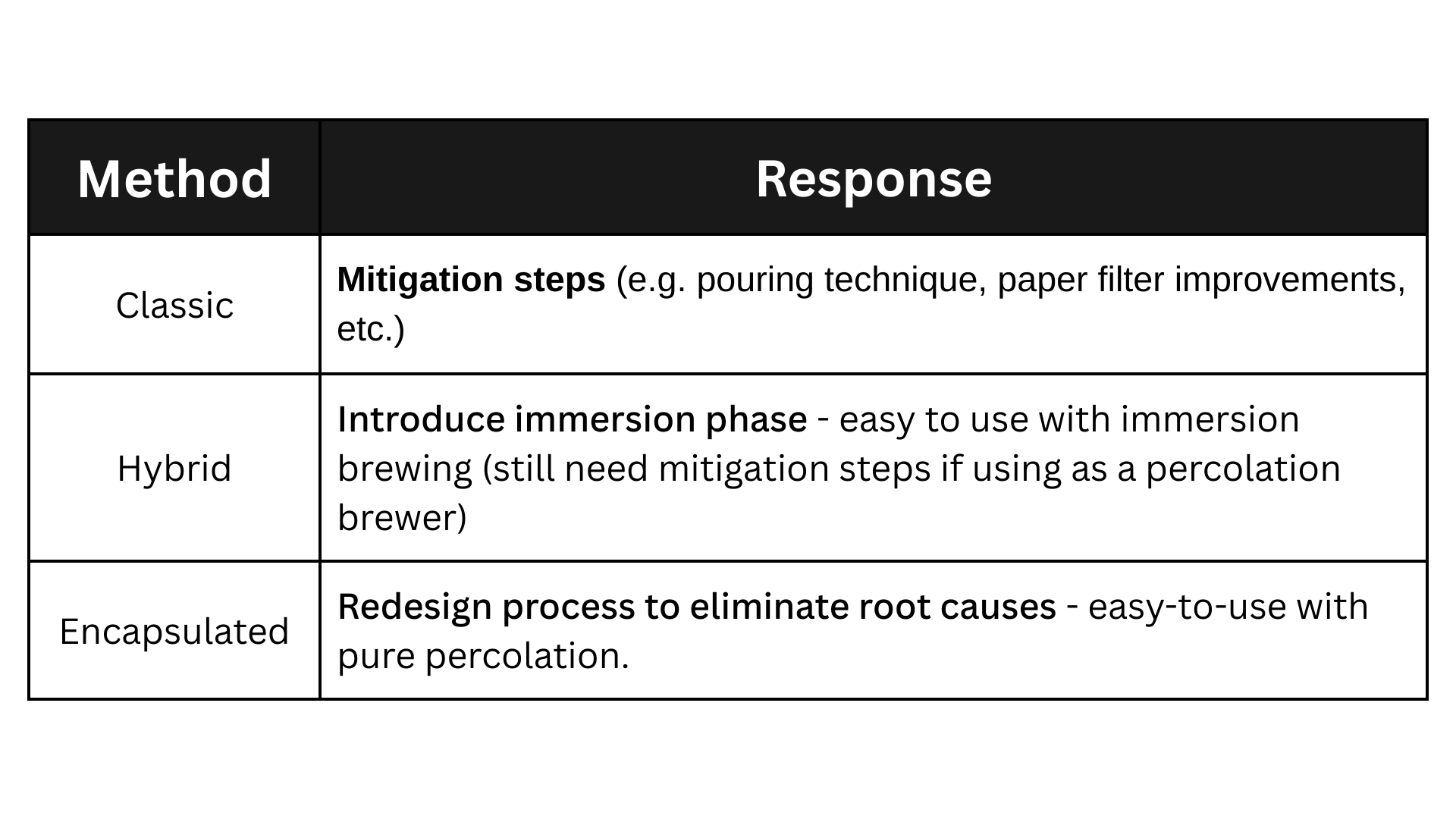
The three brewing methods have addressed the issues that are associated with a loose coffee bed and paper-to-coffee contact in the core basic process in different ways.
If you would like to learn more about EPO brewing, visit our page EPO Brewer Science.
The evolution from Melitta's 1908 innovation to today's encapsulated designs demonstrates that coffee brewing innovation continues to evolve. Whether you choose Classic, Hybrid, or Encapsulated pour-over, understanding the fundamental differences helps you make an informed decision based on your priorities—control, versatility, or consistency—rather than defaulting to tradition simply because it's familiar.